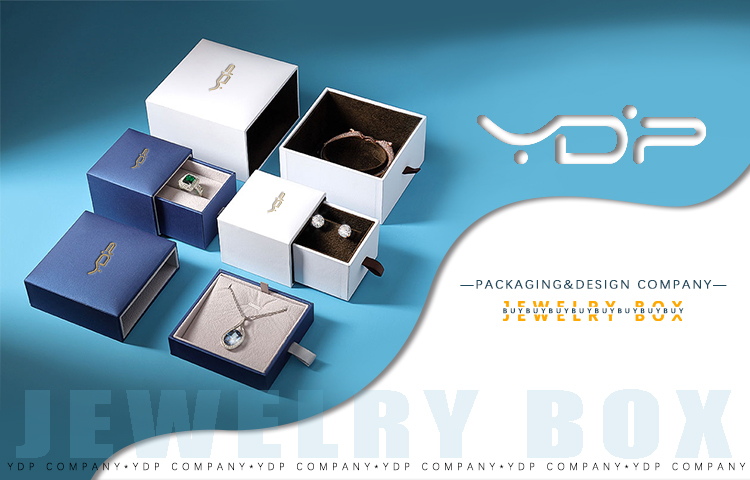
Material Selection Guide For Durable And Brand-Focused Jewelry Packaging Boxes
2026,09,16
In the competitive global jewelry market, packaging is far more than a simple outer shell for accessories. A high-quality Jewelry Packaging Box serves two core purposes: protecting delicate jewelry pieces during storage and transportation, and conveying unique brand temperament to customers. For jewelry brand owners, retailers, and custom packaging buyers, selecting the right materials is the key to balancing product durability, user unboxing experience, and brand image dissemination. This professional material selection guide breaks down mainstream packaging materials, helping businesses pick the most suitable options for customized scenarios while maximizing brand exposure.
When sourcing a practical and aesthetic Jewelry box, durability should always be the primary consideration. Jewelry items such as rings, necklaces, bracelets, and earrings are prone to scratches, extrusion deformation, and gemstone loosening during long-distance shipping and daily storage. Different packaging materials deliver vastly different protective performance and structural stability. Rigid paperboard has become the most versatile mainstream material for standard jewelry packaging. With high density and anti-collision structural properties, it effectively resists external extrusion, avoids box deformation, and fully protects internal fine jewelry. Compared with ordinary folding cartons, rigid board features stronger toughness and wear resistance, suitable for long-term repeated use and bulk logistics transportation, perfectly meeting the durability needs of mid-to-high-end jewelry brands.
Beyond basic protection, modern jewelry packaging needs to highlight brand characteristics, which makes customized material design indispensable. A professionalcustom jewelry box relies on targeted material matching to realize brand differentiation and high-end presentation. For luxury jewelry brands focusing on high-end positioning, PU leather and velvet lining are top choices. The delicate leather texture upgrades the overall grade of the packaging, while the soft velvet inner layer prevents metal oxidation and surface scratches, creating an exclusive high-end unboxing experience for customers. Premium wood materials are also ideal for high-collection jewelry; they feature stable structure, strong compression resistance, and support laser engraving and logo carving, greatly improving brand recognition and product collection value.
For lightweight fashion jewelry, daily gift jewelry, and eco-friendly brand lines, recycled kraft paper and coated specialty paper are cost-effective and trendy material options. These paper materials are lightweight, eco-friendly, and fully customizable in color, printing, and surface technology. Brands can realize custom logo printed jewelry boxes through hot stamping, UV printing, embossing, and debossing processes. The clear and delicate logo printing effect firmly implants brand information in every packaging detail, helping brands complete subtle image output in retail display and customer gift-giving scenarios.
Many brands easily overlook the matching logic between materials and application scenarios when customizing packaging for jewelry. Low-value ordinary paper materials will reduce the premium sense of high-end fine jewelry, while overly luxurious leather and wooden materials will cause cost waste for daily fashion jewelry. Therefore, material selection must combine product positioning, sales scenarios, and customer groups. For wedding rings, anniversary jewelry, and high-end customized collections, rigid board + velvet lining or wooden packaging is preferred to ensure durability and high-end texture. For daily fast-fashion jewelry and bulk wholesale products, customized rigid paper and kraft paper boxes can balance cost, protection, and brand display effects.


 Shenzhen Yi Ding Peng Packaging Design Co., Ltd.